Professional attention to your heating and cooling system in Clairemont, CA, is an essential part of keeping it running smoothly. Whether it’s time for a system tune-up or you need to replace your old HVAC system, we’re here to help. Call or contact our friendly experts at Elite Heating & Air Conditioning Services today for service!
Serving San Diego, CA & Surrounding Areas
24/7 Emergency Service
Call Us: (619) 884-4108
Heating & Cooling Services in Clairemont, CA
FREE HVAC Diagnostic
Call For More Details

Repair for Heating and Cooling Systems in Clairemont, CA
During the lifespan of your HVAC equipment, you will likely need repairs at some point. We recommend avoiding DIY repairs. This can lead to extensive damage, requiring a full system replacement. Instead, allow our team to perform all work in accordance with local building codes.
There are many signs to pay attention to that can alert you to service being needed:
- Loud sounds during operation
- System doesn’t start
- Uneven heating or cooling
- Indoor air quality issues
- Short cycling
You can inspect a few key components of your HVAC system before calling us. Check your filter to ensure it is clear and allows air to pass through. If there are any airflow restrictions, this can strain your system and cause it to malfunction.
Also, inspect your condensate drain line. This line should be free of mineral deposits and sediment. Clogs can prevent water from flowing through. You may notice water pooling near the drain if there’s a clog present.
Lastly, ensure that your thermostat is set to the correct function. Raise or lower the temperature setting to see if your equipment will turn on. You should always keep the fan set to the “auto” function. Running it all the time or frequently will strain your system. Additionally, try changing the batteries in your thermostat to see if that resolves the issue.
Monitor your monthly energy consumption closely. If you observe a steady increase over time, but there’s no known cause, this can indicate HVAC issues. The age of your equipment may also be to blame. If you still can’t find the source of the problem, reach out to our team.
New Equipment Installation
Most heating and cooling equipment has a lifespan of approximately 15 to 20 years. We can help you determine when it’s time to schedule a replacement. We take several factors into consideration, including equipment age, frequency of repairs, and efficiency.
Over time, the efficiency of your heating and cooling equipment will decrease. You may notice your energy bills gradually increase. By investing in a new unit, you can help lower your energy consumption and monthly bills, while also decreasing your carbon footprint.
Routine Maintenance Needs
It’s important to schedule an annual inspection of your HVAC system. This process enables our team to examine various components, including your heat exchanger, electrical connections, refrigerant lines, thermostat, and drain lines.
Many of these areas require regular cleaning or lubrication to keep your system working efficiently and reliably. There may also be a need for minor repairs. Failing to address these repair needs can result in extensive equipment damage.
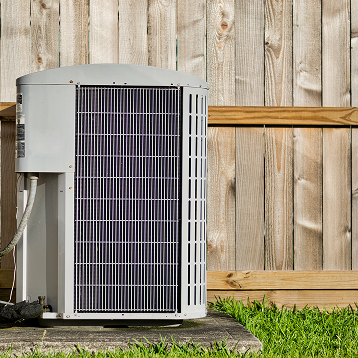
Contact Elite Heating & Air Conditioning Services for professional heating and cooling services in Clairemont.
Our 5 Star Reviews
More Reviews
"They went above and beyond our expectations and were very professional, experienced, and communicative. They took photos of all the work done in our attic and took the time to show us how to operate everything. Highly recommend them."
CONTACT THE HVAC PROS TODAY
©2026 Elite Heating & Air Conditioning Services. All Rights Reserved. Privacy Policy. License: #1123713.
This site is protected by reCAPTCHA and the Google Privacy Policy and Google Terms of Service apply.
Web Design and Digital Marketing by RYNO Strategic Solutions.